Recovery · 5 min read
Recovery Is Where You Grow
Marco Panetta
21 August 2026
People obsess over the session. The perfect program, the right exercises, how hard they pushed. All of that matters. But the session is only the signal — it's the stimulus that tells your body to change.
The change itself happens afterwards, when you rest, sleep, and eat. Train hard and recover poorly, and you've done half the job while expecting the full result.
The session breaks you down. Recovery builds you back
When you train, you're not building muscle in that moment — you're creating the demand for it. Your body responds to that demand in the hours and days after, provided you give it what it needs. Skip that part and you're constantly tearing down without rebuilding. This is why more training isn't always better. Past a point, adding sessions without adding recovery just digs a deeper hole.
Sleep, stress, and food do the work
Recovery isn't complicated, it's just often ignored. Sleep is the biggest lever most people have and the one they neglect first. Managing your stress matters too, because your body doesn't separate training stress from life stress — it's all load. And you can't rebuild from good raw materials you didn't eat. Get these right and you'll recover from more, adapt faster, and feel better doing it.
- Protect your sleep — it's where most of the rebuilding happens
- Take your rest days as seriously as your training days
- Eat enough, with enough protein, to support the work you're doing
- Manage life stress where you can; it eats into your recovery
- Move gently on off days rather than sitting completely still
You don't grow in the gym. You grow in the hours after it. Train hard, then let the work happen.
Overtraining or under-recovering?
People love the word overtraining, but for most, the real problem is under-recovering. It's rarely that you did too much in one session. It's that you never gave yourself the sleep, food, and rest to bounce back before the next one. The fix usually isn't training less forever. It's recovering better around the training you're already doing.
Signs you need more recovery
Your body will tell you if you listen. Persistent fatigue that a night's sleep doesn't fix. Strength going backwards for no clear reason. Poor sleep, low mood, aches that linger, motivation draining away. One rough session is normal. A run of them is a signal. When you see it, don't push harder — pull back, sleep, eat, and let yourself catch up. If something feels genuinely wrong or a pain won't settle, see a professional.
Written by
Marco Panetta
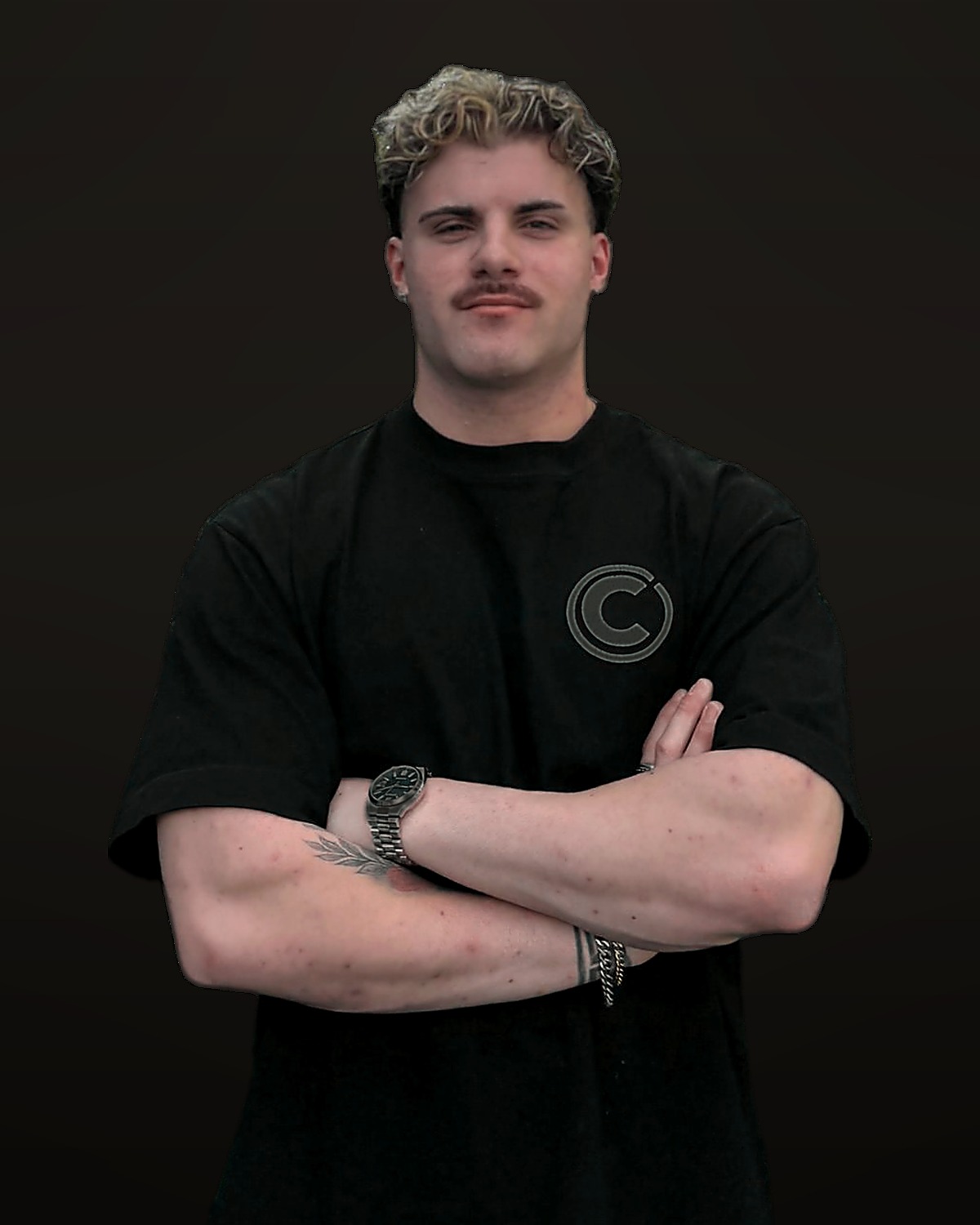
Strength and performance coach on Sydney's Northern Beaches, and online anywhere in the world. I build training around the person in front of me — not a template — so the plan actually fits your life and you can stick to it.